What Does a Bond Vote Actually Build?
When Denton voters approved Proposition G, the ballot language was functional to the point of being dry: funds for designing, acquiring, constructing, improving, equipping, and landscaping a new facility. What that language describes, in practice, is a full replacement of the South Branch Library at 3228 Teasley Lane — a building that has operated for 28 years and, by the city’s own accounting, is simultaneously the most visited branch in the system and the smallest.
The approved bond issuance totals $49,545,000. That figure reflects not just construction costs but the full lifecycle of bringing a new civic building into existence: site work, design fees, equipment, and the landscaping that makes a public space feel like one. The project is currently in its planning and design phase; no construction start date has been announced.
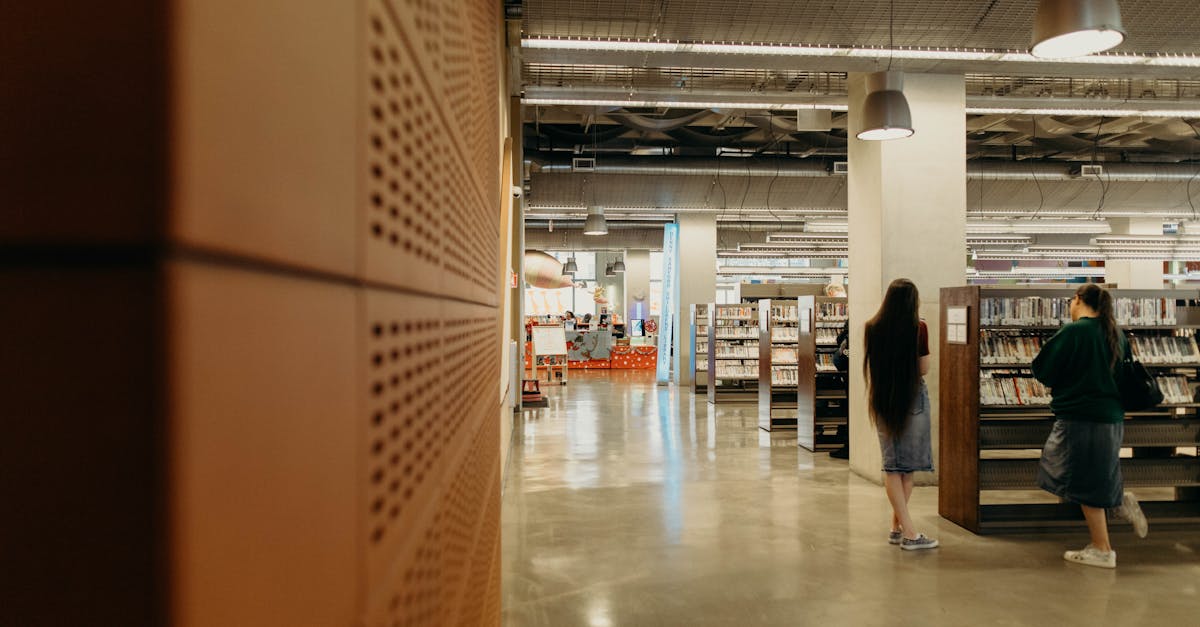
The numbers that motivated the proposition are worth sitting with. The South Branch checks out more materials per hour of operation than any other branch in Denton’s library system, despite having the least square footage to work with. That is not a minor operational quirk — it is a structural mismatch between what the community is asking a building to do and what that building was designed to accommodate. A branch serving that volume of foot traffic in a footprint built for a quieter era is, in effect, rationing access without intending to.
Why Does Denton’s Library System Carry This Kind of Weight?
Denton is a city with two major universities, a fast-growing residential population, and a long-standing civic culture that treats public institutions as worth investing in. The library system reflects all of that. Branches serve not just as book-lending operations but as community anchors — spaces where residents access digital resources, attend programming, and find quiet in a city that, especially near campus, rarely sits still.
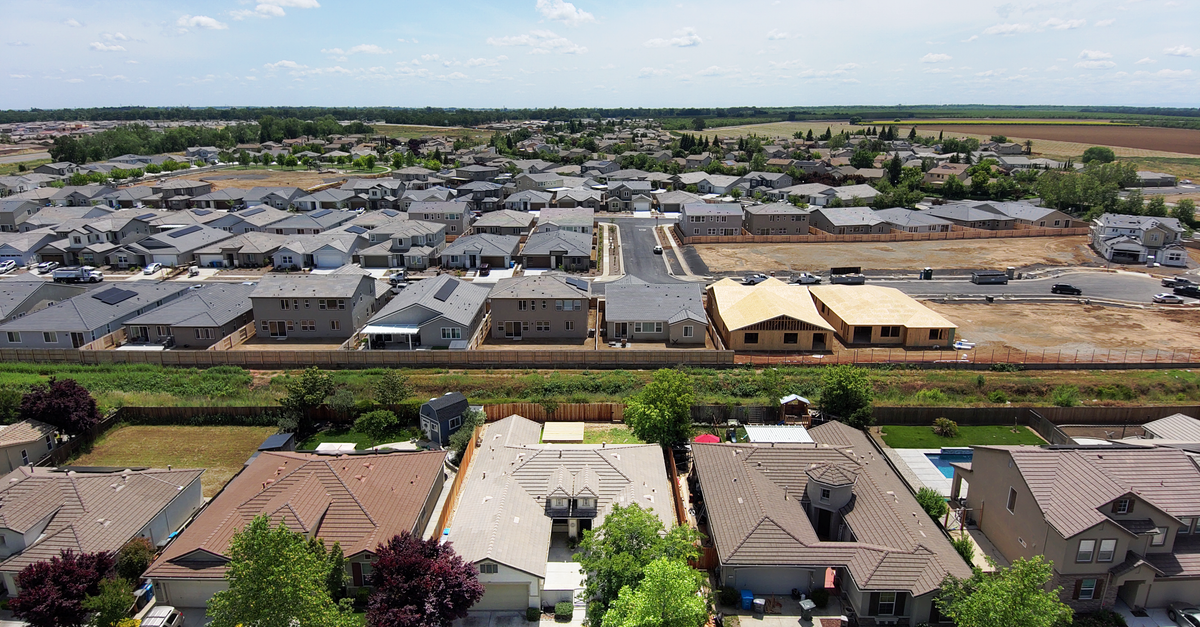
The South Branch’s location on Teasley Lane places it in a part of Denton that has absorbed significant residential growth. A branch that was reasonably sized at its opening in the late 1990s is now serving a catchment area that looks nothing like the one it was built for. Voter approval of the bond suggests residents understand the gap and are willing to fund the solution.
The Denton Public Library system has not announced a timeline for when design renderings or contractor selections will become public. Those disclosures typically follow the formal procurement process, which can take months after a bond is certified. For now, the project exists as an approved commitment rather than a visible construction site.
What Is Already Changing at the North Branch?
While the South Branch replacement moves through its early planning stages, a quieter transformation has already been completed a few miles away. The North Branch Library at 3020 N. Locust St. has undergone a significant overhaul of The Forge Makerspace — one funded not by bond dollars but by a $50,000 grant from the Texas State Library and Archives Commission.
The grant allowed the library to relocate the makerspace to a larger room within the North Branch and purchase new equipment. The Forge is open to the public, which means Denton residents have access to fabrication and creative technology tools through the same library card system they use to borrow books.
Makerspaces in public libraries have become a meaningful trend in civic infrastructure nationally, but their quality varies considerably. A $50,000 investment concentrated on equipment and square footage is a substantive commitment, not a token gesture. The Texas State Library and Archives Commission, which administered the grant, funds projects across the state, meaning Denton competed for those dollars against other library systems.
What Does a Library Makerspace Actually Offer Residents?
The term “makerspace” covers a wide range of configurations. At its most basic, a makerspace might include a 3D printer and some craft supplies. At the other end of the spectrum, well-funded facilities include laser cutters, vinyl plotters, audio recording equipment, and electronics workbenches. The Forge’s specific equipment inventory following the renovation has not been fully enumerated in public-facing materials, but the scope of the grant and the decision to move to a larger room suggest a meaningful expansion of what was previously available.
For a city with a significant student population — and a broader community that includes artists, small business owners, and hobbyists — access to fabrication tools without a membership fee or studio rental cost removes a real barrier. A musician who needs to prototype a custom instrument part, a small vendor preparing for a market, a student working on a design project: these are the kinds of use cases a public makerspace is built to serve.
Two Different Scales, One Institutional Direction
The South Branch bond and the North Branch makerspace grant represent different instruments of civic investment — one a major voter-approved capital commitment, the other a competitive state grant — but they point in the same direction. Denton is actively expanding what its public library system does and the physical capacity it has to do it.
The South Branch project will take years to move from approved bond to open building. Residents near Teasley Lane will be watching the planning process closely, and the library system will face the ordinary challenges of managing a major construction project while keeping the current branch operational. The North Branch’s Forge Makerspace, by contrast, is already open and already serving the public.
For a city that has grown as quickly as Denton, the library system’s trajectory matters. Public institutions that fail to scale with their communities tend to become invisible — used less, funded less, eventually difficult to save. The vote on Proposition G suggests Denton residents are not interested in that outcome for the South Branch. The renovated Forge suggests the system is not waiting for large capital projects to make incremental improvements where it can.
What comes next for the South Branch depends on design decisions, procurement timelines, and the ordinary friction of building something new in a city that is still figuring out what it is becoming. The Forge, meanwhile, is already open at 3020 N. Locust St., waiting for whoever walks through the door.